
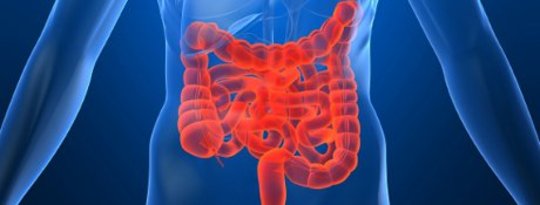
Irritable bowel syndrome (IBS) affects many Americans, leading individuals to seek complementary health practices for relief. Hypnotherapy, herbal remedies, peppermint oil, probiotics, and acupuncture are explored, with varying degrees of evidence for their effectiveness in managing symptoms. Understanding these options can help in making informed health decisions.
In This Article
- What are the challenges posed by IBS?
- What complementary practices are available for IBS?
- How does hypnotherapy and probiotics work for IBS?
- What practical benefits can complementary health practices provide?
- What are the risks and limitations of these treatments?
As many as one in five Americans have symptoms of irritable bowel syndrome (IBS). IBS is a chronic disorder that interferes with the normal functions of the colon and is characterized by symptoms such as abdominal pain, cramping, bloating, constipation, and diarrhea. Many people with IBS turn to complementary health practices to help relieve their symptoms, and there is emerging evidence that some of these practices may have modest benefits.
If you are thinking about a complementary health practice for IBS, here’s what you need to know:
- Hypnotherapy (hypnosis). This practice involves the power of suggestion by a trained hypnotist or hypnotherapist during a state of deep relaxation, and is the most widely used mind and body intervention for IBS. According to reviews of the scientific literature, hypnotherapy may be a helpful treatment for managing IBS symptoms. Several studies of hypnotherapy for IBS have shown substantial long-term improvement of gastrointestinal symptoms as well as anxiety, depression, disability, and quality of life.
- Herbal remedies. Herbal remedies are commonly used for IBS symptoms; however, much of the research on these remedies has been done in China. A review of clinical trials for 71 herbal remedies found limited evidence suggesting that a few of these herbal remedies might help improve IBS symptoms including abdominal pain, constipation, and diarrhea. However, the review emphasizes that the studies were generally of poor quality.
- Peppermint oil. Peppermint oil is one herbal remedy often used to treat IBS for which there are mixed results. There is some evidence that enteric-coated peppermint oil capsules may be modestly effective in reducing several common symptoms of IBS—especially abdominal pain, bloating, and gas. Non-enteric coated forms of peppermint oil may cause or worsen heartburn symptoms, but otherwise appear to be generally safe. (Enteric-coating allows the peppermint oil to pass through the stomach unaltered so it can dissolve in the intestines. However, if coated peppermint oil capsules are taken at the same time as medicines such as antacids, this coating can break down more quickly and increase the risk of heartburn and nausea.)
- Probiotics. Probiotics such as Bifidobacterium and Lactobacillus are live microorganisms that are similar to microorganisms normally found in the human digestive tract, and they have been associated with an improvement in IBS symptoms compared with placebo. Results of studies suggest probiotics may decrease some patients’ abdominal pain, bloating, and gas.
- Acupuncture. While a few small studies have indicated that acupuncture has some positive effect on quality of life in people with IBS, reviews of the scientific literature have concluded that there is no convincing evidence to support the use of acupuncture for the treatment of IBS symptoms.
Tell all your health care providers about any complementary health practices you use. Give them a full picture of what you do to manage your health. This will help ensure coordinated and safe care.
Further Reading
-
The Mind-Gut Connection: How the Hidden Conversation Within Our Bodies Impacts Our Mood, Our Choices, and Our Overall Health
This book fits the article’s emphasis on the brain-gut relationship and helps explain why mind-body approaches such as hypnotherapy can affect digestive symptoms. It also gives readers broader context for understanding how stress, mood, and gut function influence one another in IBS.
Amazon: https://www.amazon.com/exec/obidos/ASIN/0062376551/innerselfcom

-
Mind Your Gut: The Science-based, Whole-body Guide to Living Well with IBS
This title connects directly to the article’s practical focus on managing IBS with more than one tool at a time. It is especially relevant for readers interested in combining evidence-based lifestyle changes, stress reduction, and symptom management strategies in a coordinated way.
Amazon: https://www.amazon.com/exec/obidos/ASIN/030683233X/innerselfcom
-
Making Sense of IBS: A Physician Answers Your Questions about Irritable Bowel Syndrome
This book is a useful companion to the article because it addresses IBS in a clear, patient-friendly format while keeping the medical picture grounded. It works well for readers who want to understand how complementary practices such as probiotics, peppermint oil, and hypnosis fit into the larger landscape of IBS care.
Amazon: https://www.amazon.com/exec/obidos/ASIN/1421411156/innerselfcom
Article Source: National Institute Of Health
Article Recap
IBS affects many individuals, and while complementary health practices like hypnotherapy and probiotics may offer some relief, the evidence varies. It's crucial to consult with healthcare providers before starting any new treatment.
#InnerSelfcom #IBSManagement #Hypnotherapy #HerbalRemedies #Probiotics #PeppermintOil